The Digital Revolution: How Technology is Reshaping the Healthcare Industry
The healthcare industry is in the midst of a profound transformation, driven by the relentless march of technology. From the way diseases are diagnosed to how patients receive care, digital innovation is not just optimizing existing processes—it is fundamentally redefining the possibilities of medicine. This shift promises a future of more personalized, accessible, and efficient healthcare for all.
The Pillars of Technological Transformation
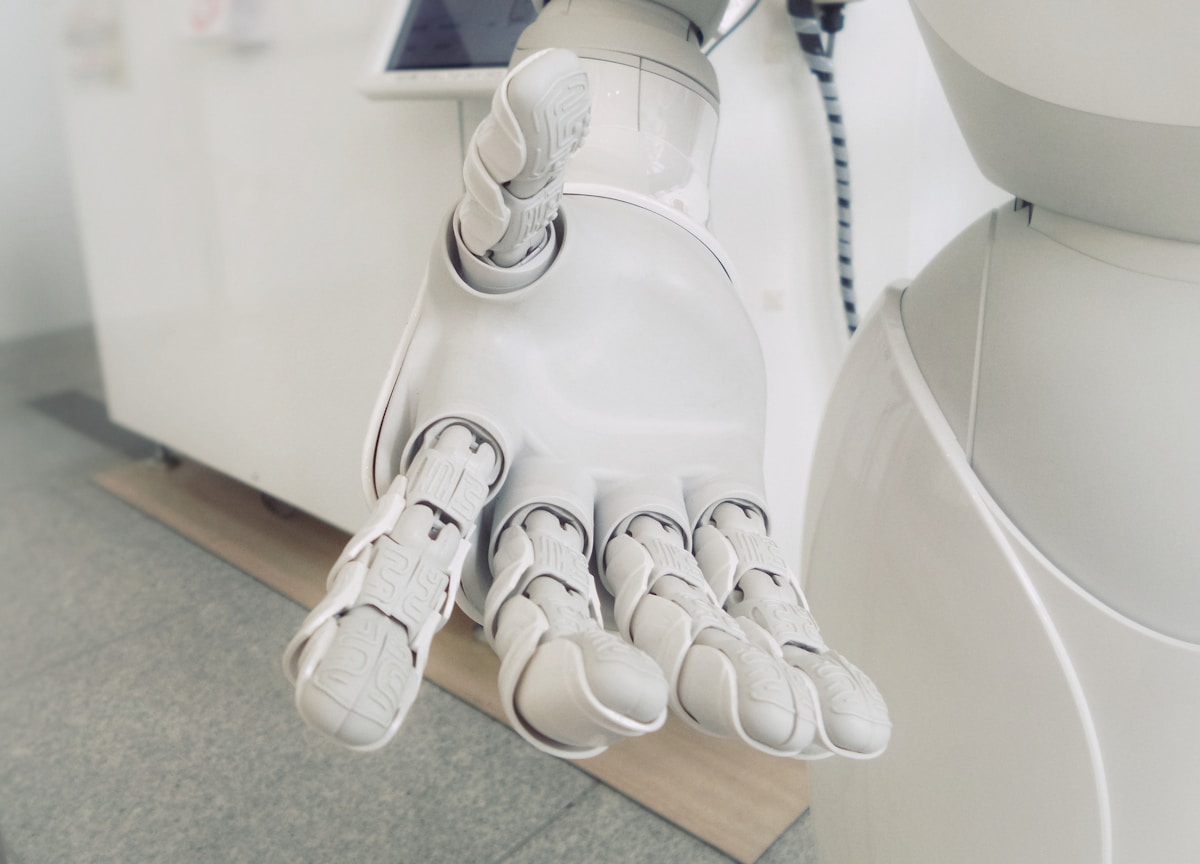
Several key technologies are acting as the foundational pillars for this revolution, each bringing unique capabilities to solve long-standing challenges in the medical field.
1. Artificial Intelligence (AI) and Machine Learning (ML)
AI is perhaps the most disruptive force in modern healthcare. Its ability to process vast amounts of data at speeds impossible for humans is leading to breakthroughs in diagnostics and drug discovery. AI algorithms can analyze medical images like X-rays and MRIs with greater speed and accuracy than human eyes, flagging subtle anomalies that might otherwise be missed. In drug development, AI is accelerating the identification of potential drug candidates and predicting their efficacy, drastically cutting down the time and cost of bringing new treatments to market.
2. Telemedicine and Remote Patient Monitoring (RPM)
The rise of telemedicine has dramatically expanded access to care, particularly in rural or underserved communities. Virtual consultations, remote diagnostics, and digital prescriptions have made healthcare more convenient and less time-consuming for patients. Complementing this is Remote Patient Monitoring, which uses wearable devices and connected sensors to continuously track vital signs, glucose levels, and other health metrics. This constant stream of data allows healthcare providers to intervene proactively, often before a minor issue escalates into a medical emergency.
3. Electronic Health Records (EHR) and Interoperability
The transition from paper charts to comprehensive Electronic Health Records (EHR) has been crucial for improving data management. While the initial implementation was challenging, modern EHR systems are designed to improve interoperability, allowing different healthcare systems to securely share patient data. This seamless exchange of information ensures that every provider has a complete view of a patient’s medical history, leading to better-coordinated care and a significant reduction in medical errors caused by incomplete data.
Quantifying the Impact
The benefits of these technological advancements are measurable, translating into improved patient outcomes and greater operational efficiency. The following table highlights the transformative effect of technology across different areas of the healthcare ecosystem:
| Technological Area | Primary Impact on Healthcare | Key Benefit for Patients |
|---|---|---|
| Artificial Intelligence | Enhanced diagnostic accuracy and speed | Earlier detection of diseases, leading to better prognosis. |
| Telemedicine | Increased access to care and convenience | Reduced travel time and cost; access to specialists regardless of location. |
| Remote Patient Monitoring | Continuous, proactive health tracking | Fewer hospital readmissions; personalized, real-time care adjustments. |
| Robotic Surgery | Greater precision and minimal invasiveness | Faster recovery times, smaller incisions, and reduced risk of complications. |
| EHR/Data Analytics | Streamlined administrative and clinical workflows | Fewer medical errors; better-coordinated and holistic care. |
The Future is Personalized
The ultimate trajectory of technology in healthcare is toward personalized medicine. By combining genomic data, real-time physiological data from wearables, and population-level insights from AI, doctors will be able to tailor treatments and preventative strategies to the individual patient’s unique biological profile. This level of precision promises to move healthcare from a reactive system—treating illness after it occurs—to a truly proactive and preventative model, ensuring longer, healthier lives for populations around the globe. The digital revolution is not just changing healthcare; it is changing what it means to be healthy.
