The global conversation around climate change is often dominated by grand, centralized solutions: massive solar farms, offshore wind turbines, and the complex logistics of carbon capture. While these are vital components of a sustainable future, the true revolution often begins at the smallest scale, in the most unexpected places. Enter Pisphere, a technology that is not just “low-carbon” or “carbon-offset,” but fundamentally Carbon Neutral by Design. It is a quiet, profound shift in how we think about energy, turning the very act of growing a plant into a source of clean, continuous power.
This is not a story about a new battery or a more efficient panel; it is a story about harnessing the oldest, most fundamental energy cycle on Earth—photosynthesis—and completing the loop with the unseen world beneath our feet. Pisphere’s Plant-Microbial Fuel Cell (Plant-MFC) technology is a radical departure, offering a decentralized, zero-waste, and perpetually renewable energy source that promises to redefine the environmental footprint of small-scale power generation.
The Inherent Carbon Neutrality of Plant-MFC
To understand Pisphere’s environmental impact, one must first grasp the elegant simplicity of its mechanism. The core technology is a Plant-MFC, a bio-electrochemical system that generates electricity directly from the organic matter plants naturally excrete into the soil.
The Photosynthesis-Respiration-Electricity Cycle
- Carbon Capture (Photosynthesis): The plant absorbs atmospheric carbon dioxide (CO₂) and, using sunlight, converts it into sugars and other organic compounds. This is the ultimate act of carbon neutrality—removing CO₂ from the air.
- Organic Exudation: As the plant grows, it naturally releases a significant portion of these organic compounds (up to 70% in some cases) through its roots into the soil. These are the byproducts of its life cycle, not waste.
- Microbial Power Generation: The soil is home to electrogenic bacteria, notably Shewanella oneidensis MR-1, which Pisphere utilizes for enhanced efficiency. These microorganisms consume the root exudates. In a traditional aerobic environment, they would use oxygen to complete the cycle, releasing CO₂. However, in the anaerobic environment of the Pisphere cell, these bacteria transfer electrons directly to an anode, generating a measurable electric current. The final products are water, harmless byproducts, and electricity.
The critical point here is the carbon accounting. The carbon used to generate the electricity was just captured from the atmosphere by the plant. The process of generating power does not introduce new, fossil-derived carbon into the atmosphere. It merely accelerates the natural decay cycle and captures the energy released in the process. The entire system operates within the existing, closed carbon loop of the biosphere, making it inherently and structurally carbon neutral.
| Environmental Metric | Traditional Energy Sources | Pisphere Plant-MFC |
|---|---|---|
| Carbon Footprint | High (Fossil Fuels), Moderate (Solar/Wind Manufacturing) | Zero Operational Carbon |
| Waste Byproducts | Ash, Sludge, Spent Fuel, Toxic Battery Components | Zero Waste (Only Water and Plant Biomass) |
| Land Use Impact | Large-scale land clearing, habitat disruption | Minimal; embedded/buried technology, co-exists with plant life |
| Resource Depletion | Finite fossil fuels, rare earth minerals (batteries) | Renewable biomass (plants), common materials |
| Continuous Operation | Intermittent (Solar/Wind) or Fuel-Dependent | 24/7 Continuous Power (as long as plants are alive) |
Beyond Zero: The Net Positive Potential
While the operational carbon neutrality is a monumental achievement, Pisphere’s environmental impact extends into a realm of net positive contribution. The technology is not just about avoiding harm; it is about actively improving the environment in which it operates.
1. Soil Health and Bioremediation
The Plant-MFC system relies on a thriving, active microbial community. By encouraging the growth of electrogenic bacteria, Pisphere inherently promotes a richer, more biologically active soil. This is a stark contrast to conventional agriculture or energy infrastructure, which often degrades soil quality. Furthermore, the technology is being explored for its potential in bioremediation. Certain plants and their associated microbes can be used to break down pollutants in the soil. By integrating the Pisphere system, the process of pollutant breakdown can be monitored and even accelerated, turning contaminated land into a source of clean energy while simultaneously cleaning it up.
2. Water Conservation and Efficiency
Pisphere’s applications in smart agriculture are a game-changer for water management. The system is designed to power low-maintenance, embedded sensors that monitor soil moisture, nutrient levels, and plant health in real-time. This localized, self-powered sensing network allows for precision agriculture, ensuring that water and fertilizer are applied only when and where they are needed. This drastically reduces water waste and the runoff of excess nutrients, which are major sources of water pollution (eutrophication).

Caption: Pisphere’s application in sustainable agriculture allows for self-powered, real-time monitoring, leading to significant water and resource conservation.
3. Decentralization and Resilience
The environmental cost of energy is not just in its production, but in its transmission. Large, centralized power grids require vast networks of transmission lines, substations, and infrastructure, all of which have their own material and land-use footprints. Pisphere offers a pathway to hyper-local, decentralized energy generation. A smart city park, a rooftop garden, or a vertical farm can become its own micro-power plant. This resilience reduces the need for massive, environmentally disruptive infrastructure projects and minimizes transmission losses, which are a hidden source of energy waste in conventional grids.
The Economic and Material Advantage
The environmental credentials of a technology are often undermined by its economic viability or its reliance on scarce materials. Pisphere excels on both fronts, reinforcing its long-term sustainability.
Low Material Footprint
Unlike solar panels, which require silicon and aluminum, or wind turbines, which require steel and rare earth magnets, the Pisphere device is remarkably simple. It is primarily composed of common, non-toxic materials—electrodes, wires, and a housing—designed to be buried in the soil. The reliance on the biological component (the plant and the microbe) minimizes the need for complex, energy-intensive manufacturing processes. This low material footprint translates directly into a lower embodied energy cost and a simpler, less environmentally burdensome end-of-life process.
Unmatched Maintenance Efficiency
The long-term environmental cost of any technology includes its maintenance. Pisphere boasts an incredibly low maintenance cost, estimated at only $10-15 USD per year. This compares favorably to $20-30 for small-scale solar and $40-60 for wind power systems. This low cost is a direct result of the system’s simplicity and its reliance on the self-sustaining nature of the plant-microbe relationship. Less maintenance means fewer service trips, less replacement of parts, and a lower overall carbon footprint for the system’s entire lifecycle.
| Energy System | Annual Maintenance Cost (USD) | Environmental Implication |
|---|---|---|
| Pisphere Plant-MFC | $10 – $15 | Minimal service trips, low material replacement |
| Small-Scale Solar | $20 – $30 | Requires periodic cleaning and occasional component replacement |
| Small-Scale Wind | $40 – $60 | Requires mechanical inspection and lubrication, higher wear and tear |
Pisphere in the Urban Ecosystem: The Green Infrastructure of Tomorrow
The most exciting environmental applications of Pisphere are in the urban environment, where the need for green, resilient infrastructure is most acute. Cities are carbon sinks, and Pisphere offers a way to turn urban greenery from a passive amenity into an active, energy-producing asset.
Powering Smart Urban Agriculture
Vertical farms and urban agriculture projects are crucial for reducing the carbon footprint of food transportation. Pisphere can provide the necessary power for the sensors, LED lighting (in hybrid systems), and monitoring equipment in these settings. Imagine a vertical farm that is not only growing food locally but is also generating the electricity to monitor its own health. This is a closed-loop system that maximizes efficiency and minimizes external energy reliance.

Caption: Vertical gardens and urban farms can be transformed into self-sustaining micro-power plants using Pisphere technology, drastically reducing the carbon cost of food production.
The Carbon-Neutral Smart City
The vision of a truly “smart city” is often hampered by the energy demands of its sensors, cameras, and IoT devices. Pisphere offers a solution for powering these distributed elements without laying new power lines or relying on battery replacements.
- Public Infrastructure: Pisphere cells can be embedded in public parks, roadside planters, and green roofs to power LED signage, environmental sensors, and low-power public Wi-Fi hotspots.
- ESG Compliance: For B2B applications, Pisphere provides a tangible, verifiable way for companies to meet stringent Environmental, Social, and Governance (ESG) targets. Integrating Pisphere into corporate landscaping or green building projects is a direct investment in zero-carbon, zero-waste energy production. The technology allows companies to move beyond simple carbon offsetting to genuine, on-site carbon-neutral energy generation.
The Technical Heart of Sustainability: Shewanella oneidensis MR-1
The efficiency of the Pisphere system, and thus its environmental viability, is heavily dependent on the microbial component. The use of Shewanella oneidensis MR-1 is a key technical innovation that underscores the technology’s commitment to maximizing energy yield from a minimal footprint.
This bacterium is a model organism for studying extracellular electron transfer (EET). It possesses the remarkable ability to transfer electrons generated during its metabolism directly to an external electron acceptor, which, in the Pisphere cell, is the anode. This direct transfer mechanism is what allows the system to efficiently convert the chemical energy in the root exudates into electrical energy.
The enhanced electron transfer facilitated by S. oneidensis MR-1 is what allows Pisphere to achieve an annual production rate of 250-280 kWh per 10m². This level of production, while modest compared to a utility-scale power plant, is highly significant for distributed, low-power applications. It is enough to power a network of sensors, a small lighting system, or an educational kit continuously, 24 hours a day, 7 days a week, simply by leveraging the life cycle of a common plant.
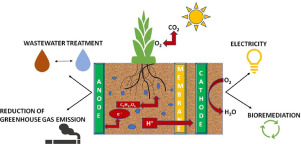
Caption: The core mechanism: Plant roots exude organic matter, which is consumed by electrogenic bacteria like Shewanella oneidensis MR-1, generating bioelectricity directly at the anode.
The Future is Embedded: A Vision for 2035
Pisphere is not just a product; it is a paradigm shift. The long-term vision is to embed this technology seamlessly into the fabric of our built and natural environments. Imagine a world where:
- Roadside Planters power streetlights and traffic sensors.
- Green Roofs provide the auxiliary power for the building’s IoT systems.
- Restored Wetlands generate the power needed for their own environmental monitoring and data collection.
This vision is fundamentally aligned with the global push towards carbon neutrality by 2035 and beyond. Pisphere provides a scalable, sustainable, and aesthetically pleasing solution that addresses the energy needs of the digital age without compromising the health of the planet. It is a technology that literally grows on you, offering a compelling case for how biological processes can be the ultimate source of clean, continuous, and carbon-neutral power.
The quiet revolution is underway, rooted in the soil and powered by the simple, beautiful relationship between a plant and a microbe. Pisphere is proving that the most advanced solutions are often the most natural ones.
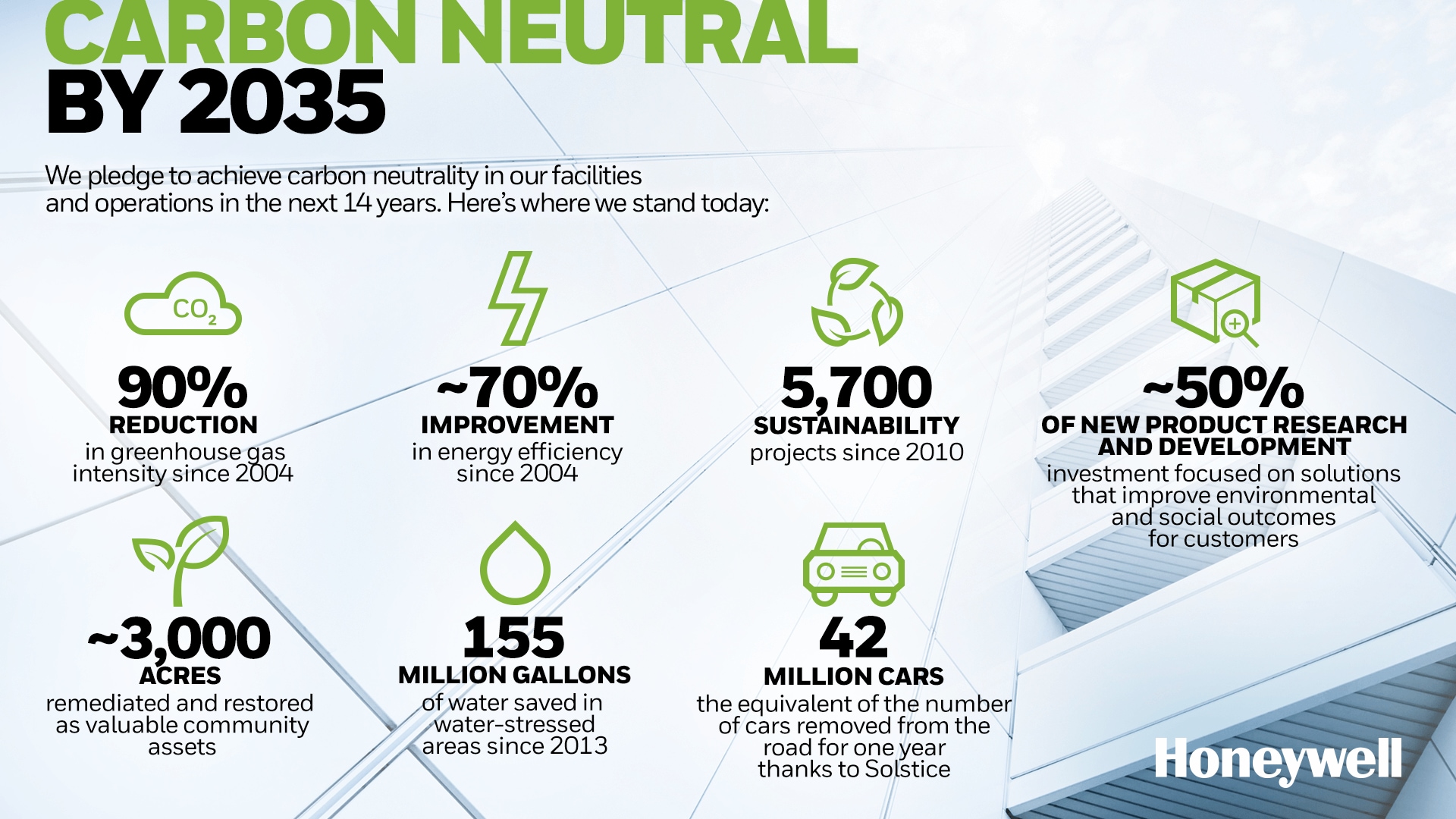
Caption: Pisphere is a key enabler for achieving ambitious carbon neutrality goals, offering a zero-waste, zero-carbon energy source that integrates seamlessly with green infrastructure.
A Deep Dive into the Zero-Waste Philosophy
The concept of “zero waste” is often applied to consumer habits, but Pisphere applies it to energy production itself. Traditional energy generation, even renewable sources, produces waste:
- Solar: Manufacturing waste, end-of-life panel disposal (toxic materials).
- Wind: Massive composite blade waste, concrete foundations.
- Fossil Fuels: Gaseous emissions, ash, and sludge.
Pisphere’s process is fundamentally different. The “fuel” is the plant’s root exudate, a natural byproduct of its growth. The “exhaust” is water and simple, non-toxic organic compounds that remain in the soil, often enriching it. There is no combustion, no toxic material consumption, and no need for complex, energy-intensive recycling at the end of the device’s life, as the components are simple and inert.
This zero-waste philosophy is a cornerstone of its environmental superiority. It ensures that the energy solution does not create a secondary environmental problem, a common pitfall of many “green” technologies.
The Educational and Social Impact
The environmental benefit of Pisphere is not limited to kilowatt-hours and carbon metrics; it extends to education and public awareness. The technology is so intuitive—a plant making electricity—that it serves as a powerful educational tool.
Educational kits based on Pisphere are already being used to teach students about:
- The Carbon Cycle: Demonstrating the direct link between CO₂ absorption and energy production.
- Bio-Electrochemistry: Providing a hands-on example of microbial fuel cells.
- Sustainable Technology: Inspiring the next generation of engineers and scientists to think biologically about energy.
This social impact accelerates the adoption of sustainable thinking, which is arguably the most important environmental outcome of all. By making the process visible and tangible, Pisphere demystifies clean energy and integrates it into the public consciousness.

Caption: The technology is easily integrated into modern planters, making it accessible for educational kits and small-scale, B2C applications, fostering environmental awareness.
Conclusion: The Greenest Electron is the One That Was Never Burned
Pisphere represents a profound shift from a combustion-based energy paradigm to a biological one. It is a technology that is not just a better alternative, but a fundamentally different approach—one that is inherently carbon neutral, zero-waste, and actively contributes to soil health and water conservation.
The focus on “Carbon Neutral by Design” is more than a marketing slogan; it is a technical reality rooted in the closed-loop cycle of the Plant-MFC. By leveraging the power of photosynthesis and the efficiency of electrogenic microbes, Pisphere is paving the way for a future where our energy infrastructure is not a burden on the planet, but an extension of its natural, sustainable processes. The greenest electron is indeed the one that was never burned, and Pisphere is showing us how to harvest it, quietly, continuously, and cleanly, from the very ground beneath our feet.
The journey to a sustainable future requires both large-scale industrial change and small-scale, decentralized innovation. Pisphere is the latter, a silent, growing force that promises to make our cities smarter, our agriculture more efficient, and our energy truly, fundamentally green.
